ivermectinaustralia
Menu

Sorry, nothing in cart.

ivermectinaustralia
Ivermectin Australia

Fenbendazole Australia

Buy ivermectin online in Australia

What Is Ivermectin? How It Works Against Parasites, Uses, Safety, and Human Treatment Guide

Parasitic infections affect millions of people worldwide and remain a significant public health concern in many tropical and subtropical regions. These infections are caused by organisms that live on or inside another living host, obtaining nutrients while often causing illness or discomfort. Depending on the parasite involved, symptoms can range from mild digestive problems to severe complications affecting the skin, eyes, lungs, or nervous system.

Modern medicine has developed several antiparasitic medications that help control and eliminate these infections. Among them, ivermectin is one of the most widely recognized medicines for treating specific parasitic diseases in humans. Since its introduction in the 1980s, ivermectin has played an important role in reducing the burden of diseases such as strongyloidiasis and onchocerciasis (river blindness). It has also become an important treatment option for certain cases of scabies and other parasitic conditions under medical supervision.

Because ivermectin is widely discussed online, many people search for answers to questions such as:

  • What is ivermectin?
  • What is ivermectin used for?
  • How does ivermectin kill parasites?
  • How long does ivermectin take to work?
  • What are ivermectin side effects?
  • What is the correct human ivermectin dose?
  • Are ivermectin tablets for humans different from veterinary products?

This educational guide explains the science behind ivermectin, how it affects parasites, when it is prescribed, possible side effects, and important safety information. It is intended for general educational purposes and should not replace advice from a qualified healthcare professional.

Understanding Parasitic Infections

Parasites are organisms that depend on another living organism, known as the host, for survival. Human parasites may live inside the digestive system, bloodstream, skin, or other organs.

The three main groups of parasites that infect humans include:

Protozoa

Protozoa are microscopic single-celled organisms that reproduce rapidly inside the human body. Some protozoan infections spread through contaminated food or water, while others are transmitted by insects.

Examples include:

  • Giardia
  • Entamoeba
  • Plasmodium (malaria)

Helminths (Parasitic Worms)

Helminths are multicellular worms that often infect the intestines or other tissues.

Common examples include:

  • Roundworms
  • Threadworms
  • Hookworms
  • Whipworms
  • Tapeworms

Many helminth infections respond well to antiparasitic medications such as ivermectin or other medicines, depending on the species.


Ectoparasites

Ectoparasites live on the surface of the body rather than inside it.

Examples include:

  • Scabies mites
  • Lice
  • Fleas
  • Ticks

What Is Ivermectin?

Ivermectin is an antiparasitic medicine used to treat certain infections caused by parasites. It belongs to a class of medicines known as macrocyclic lactones.

The medicine was developed from naturally occurring compounds produced by the soil bacterium Streptomyces avermitilis. Its discovery revolutionized parasite treatment and contributed significantly to global public health programs aimed at controlling neglected tropical diseases.

Ivermectin is included on the World Health Organization (WHO) Model List of Essential Medicines for specific approved uses because of its effectiveness and long history of clinical use.

How Does Ivermectin Work?

Unlike antibiotics, which attack bacteria, ivermectin specifically targets certain parasites.

Its action focuses on the parasite’s nervous system.

Step 1 – Finding the Parasite

After swallowing the tablet, ivermectin is absorbed through the digestive tract into the bloodstream.

The medicine circulates throughout the body until it reaches tissues where susceptible parasites are located.


Step 2 – Attaching to Chloride Channels

Parasites contain specialized proteins called glutamate-gated chloride channels.

These channels regulate movement of chloride ions that help control nerve signals and muscle function.

Ivermectin binds strongly to these channels.


Step 3 – Chloride Enters the Cell

Once ivermectin binds to these channels, they remain open.

Large amounts of chloride ions enter the parasite’s cells.


Step 4 – Paralysis

The increased chloride flow prevents normal nerve communication.

The parasite loses its ability to:

  • Move
  • Feed
  • Attach to tissues
  • Reproduce

As paralysis progresses, the parasite can no longer survive normally within the host.


Step 5 – Removal by the Body

Once the parasites become immobilized, the body’s immune system and natural biological processes gradually eliminate them over time.

Depending on the infection, this process may take several days or weeks.

Why Doesn't Ivermectin Affect Humans the Same Way?

Many people wonder why ivermectin can paralyze parasites without producing the same effect in humans.

There are two important reasons.

Different Target Proteins

The chloride channels targeted by ivermectin are common in susceptible parasites but not in the same form in humans.

Blood-Brain Barrier

At prescribed doses, ivermectin does not readily cross the blood-brain barrier in most people. This barrier helps protect the central nervous system from many substances circulating in the bloodstream.

Because of these factors, ivermectin primarily affects susceptible parasites rather than human nerve cells when used as directed.

What Parasites Can Ivermectin Treat?

Ivermectin is effective against certain parasites but not all of them.

Examples include:

Strongyloides stercoralis

Strongyloidiasis is caused by a microscopic roundworm that enters the body through contaminated soil.

Symptoms may include:

  • Abdominal pain
  • Diarrhea
  • Skin rash
  • Weight loss

Without treatment, the infection can persist for years.


Onchocerca volvulus

This parasite causes river blindness.

The infection spreads through the bite of infected blackflies.

Symptoms include:

  • Severe itching
  • Skin changes
  • Eye damage
  • Vision loss

Ivermectin reduces the number of larvae circulating in the body and helps prevent progression of disease.


Scabies

Scabies is caused by microscopic mites that burrow into the skin.

Symptoms include:

  • Intense itching
  • Small bumps
  • Rash
  • Skin irritation

Oral ivermectin may be recommended in certain situations, particularly when topical treatments are unsuitable or in cases of crusted scabies.


Head Lice

Healthcare professionals may prescribe ivermectin for some cases of head lice, particularly when other treatments have not been successful.


Other Approved Uses

Depending on local medical guidelines, ivermectin may also be used for certain other parasitic infections under the supervision of a healthcare professional.

What Happens After Taking an Ivermectin Tablet?

After swallowing the tablet:

  1. The medicine dissolves in the stomach.
  2. It is absorbed through the small intestine.
  3. It enters the bloodstream.
  4. It reaches susceptible parasites.
  5. It disrupts parasite nerve and muscle function.
  6. Parasites become immobilized.
  7. The body’s immune system gradually clears the parasites.

Although ivermectin begins acting soon after absorption, improvement in symptoms may take several days or longer depending on the type of infection.

How Long Does It Take for Ivermectin to Kill Parasites?

The medicine starts working soon after it reaches the bloodstream. However, the time needed for symptoms to improve varies based on factors such as:

  • The type of parasite
  • The severity of infection
  • The parasite’s life cycle
  • Individual response to treatment

For some infections, healthcare professionals may recommend additional doses to ensure effective treatment.

Human Ivermectin Dose: How Dosage Is Determined

One of the most common questions people ask is, What is the correct human ivermectin dose? The answer depends on several medical factors rather than a single standard dose.

Healthcare professionals determine the appropriate dosage based on:

  • Body weight
  • The type of parasitic infection
  • The severity of the infection
  • The person’s age
  • Liver function
  • Other medical conditions
  • Current medications

Because different infections require different treatment regimens, there is no single dose that is appropriate for everyone.

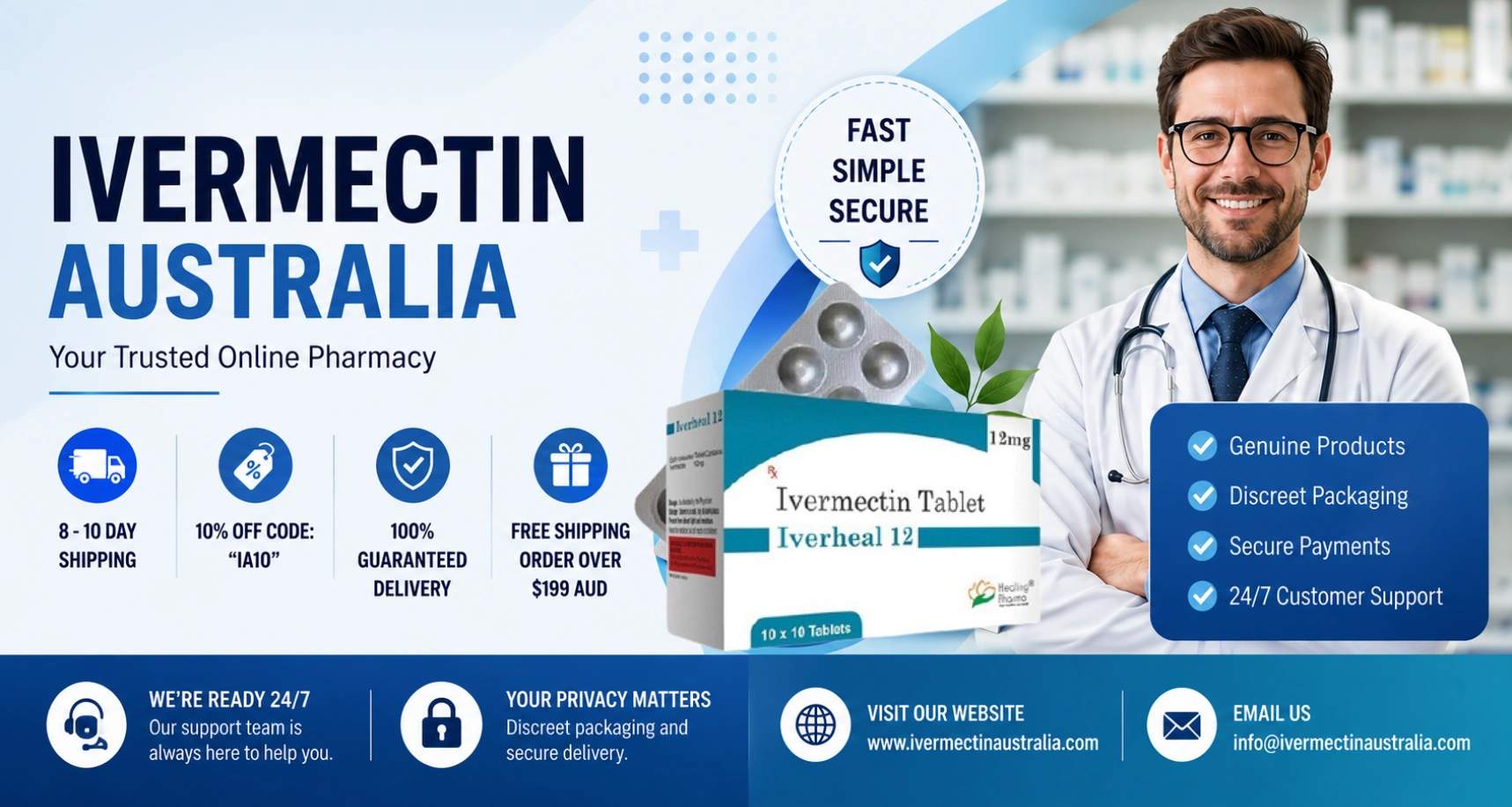
How do you take ivermectin 12 mg tablets?

The best way to take Ivermectin 12mg tablets is once or twice a day for a timeframe of two weeks at least. It depends on the type of parasitic infection you suffer from and your age. Elder people with underlying issues on their kidneys and liver should opt for the one pill per day to deal with their parasitic infection safely. Younger adults with no other health issues could easily go to two tablets of Ivermectin 12mg per day and check if they have any potential side effects. In two weeks usually they will have the parasites killed in their body and stop taking the pill. It would be easier to consume Ivermectin 12mg pills if you take them with one glass of water and empty stomach.

Why Body Weight Matters

Unlike many medications that are prescribed as one tablet for every adult, ivermectin dosing is commonly calculated according to body weight. This helps ensure that each person receives an effective amount of medication while reducing the risk of side effects.

Taking more than prescribed does not make the medicine work faster and may increase the risk of adverse effects.

Available Ivermectin Tablet Strengths

Depending on the country and manufacturer, ivermectin tablets may be available in several strengths, including:

  • 3 mg
  • 6 mg
  • 12 mg

The tablet strength simply indicates how much active ingredient is contained in each tablet. It does not mean that a higher-strength tablet is automatically more appropriate. Healthcare professionals determine the total dose needed based on individual circumstances.

How Ivermectin Is Absorbed

After an oral tablet is swallowed:

  • The tablet dissolves in the stomach.
  • The medicine is absorbed mainly through the small intestine.
  • It enters the bloodstream.
  • It is distributed to tissues where susceptible parasites are located.
  • The liver metabolizes most of the medication.
  • The body gradually eliminates the medicine through normal processes.

Although ivermectin begins working soon after it is absorbed, symptom improvement depends on the type of infection being treated.

Why Some People Need More Than One Dose

Many parasites have complex life cycles.

Some medications kill adult parasites but do not affect eggs or newly developing stages.

Because of this, healthcare professionals may recommend repeat treatment depending on:

  • The parasite involved
  • Risk of reinfection
  • Response to treatment
  • Clinical guidelines

Follow-up testing may also be recommended in some situations to confirm that treatment has been successful.

Common Ivermectin Side Effects

Like all medicines, ivermectin can cause side effects. Most are mild and temporary.

Common side effects may include:

  • Headache
  • Dizziness
  • Nausea
  • Mild diarrhea
  • Fatigue
  • Stomach discomfort
  • Loss of appetite

These symptoms often improve without additional treatment.

Why Some People Feel Worse After Treatment

In certain parasitic infections, symptoms may temporarily worsen after treatment. This can occur because the body’s immune system reacts to dying parasites and the substances they release.

Possible temporary symptoms include:

  • Fever
  • Muscle aches
  • Joint pain
  • Swollen lymph nodes
  • Increased itching or skin irritation

These reactions depend on the type of infection and should be evaluated by a healthcare professional if they are severe or persistent.

Serious Side Effects

Serious reactions are uncommon but require immediate medical attention.

Seek urgent medical care if symptoms such as the following occur:

  • Difficulty breathing
  • Swelling of the face, lips, or throat
  • Severe rash
  • Persistent vomiting
  • Confusion
  • Seizures
  • Loss of consciousness

Anyone experiencing severe or unexpected symptoms after taking ivermectin should contact a healthcare professional promptly.

Who Should Speak With a Healthcare Professional Before Taking Ivermectin?

Some people may require additional evaluation before using ivermectin.

Examples include those who:

  • Are pregnant or planning pregnancy
  • Are breastfeeding
  • Have liver disease
  • Have neurological disorders
  • Have weakened immune systems
  • Take multiple prescription medications

A healthcare professional can assess whether ivermectin is appropriate based on individual medical history.

Drug Interactions

Ivermectin may interact with other medicines.

Examples include:

  • Blood-thinning medicines
  • Certain anti-seizure medications
  • Some immunosuppressive drugs
  • Medicines that affect liver enzymes

Because interactions vary, it is important to tell your healthcare professional about all prescription medicines, over-the-counter products, and dietary supplements you are taking.

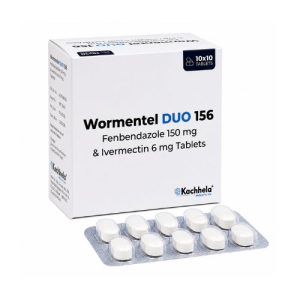
Ivermectin and Fenbendazole

Some people search online for information about ivermectin and fenbendazole together.

These medicines are different:

Ivermectin

  • Used in humans for specific parasitic infections
  • Works by affecting the nervous and muscle function of susceptible parasites

Fenbendazole

Fenbendazole is primarily a veterinary antiparasitic medicine used to treat parasitic infections in animals. Although it has attracted attention online, it is not approved as a treatment for cancer in humans, and there is currently insufficient clinical evidence to support its use for that purpose. People should not self-medicate with veterinary products or use fenbendazole for unapproved indications without medical supervision.

If you have questions about parasite treatment, consult a qualified healthcare professional rather than relying on unverified online claims.

Common Myths About Ivermectin

Myth 1: Ivermectin Treats Every Parasite

Fact: Ivermectin is effective against certain susceptible parasites but not all parasites. Different infections may require different medications.


Myth 2: Higher Doses Work Better

Fact: Taking more than the prescribed dose does not necessarily improve effectiveness and may increase the risk of adverse effects.


Myth 3: Ivermectin Is an Antibiotic

Fact: Ivermectin is an antiparasitic medicine. Antibiotics treat bacterial infections and do not generally treat parasitic diseases.


Myth 4: Ivermectin Treats Viral Illnesses

Fact: Ivermectin is not approved to treat viral infections such as influenza or COVID-19. It should be used only for approved or evidence-supported antiparasitic indications.

Preventing Parasitic Infections

Reducing the risk of parasitic infections involves a combination of personal hygiene and public health measures. Practical steps include:

  • Washing hands thoroughly with soap and water
  • Drinking safe, clean water
  • Washing fruits and vegetables before eating
  • Cooking meat and seafood thoroughly
  • Wearing shoes in areas where soil may be contaminated
  • Avoiding swimming or bathing in contaminated water
  • Following food safety recommendations
  • Seeking medical evaluation for persistent gastrointestinal symptoms, unexplained skin rashes, or other signs that could suggest a parasitic infection

Preventive measures are especially important in regions where parasitic diseases are more common.

Ivermectin Compared with Other Antiparasitic Medicines

Ivermectin is one of several medications used to treat parasitic infections. The most appropriate treatment depends on the type of parasite, where it is located in the body, the patient’s age, medical history, and current clinical guidelines.

Healthcare professionals choose antiparasitic medications based on the specific infection rather than using one medicine for every parasite.

Ivermectin

Ivermectin is effective against several parasitic worms and certain external parasites. It works by disrupting the parasite’s nervous and muscle function, leading to paralysis and eventual elimination by the body’s immune system.

Common approved uses include:

  • Strongyloidiasis
  • Onchocerciasis (river blindness)
  • Certain cases of scabies
  • Some other parasitic infections under medical supervision

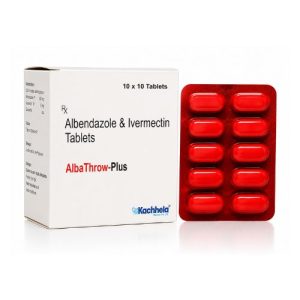
Albendazole

Albendazole belongs to a different class of antiparasitic medicines.

Instead of affecting the parasite’s nervous system, it prevents parasites from absorbing glucose, eventually causing them to die.

Albendazole is commonly used for:

  • Roundworms
  • Hookworms
  • Whipworms
  • Pinworms
  • Tapeworm infections
  • Some tissue parasites

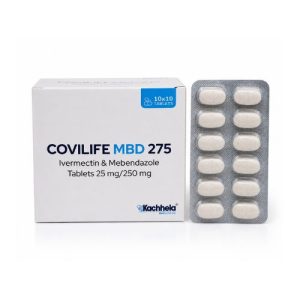
Mebendazole

Mebendazole works similarly to albendazole.

It interferes with the parasite’s ability to absorb nutrients.

It is often prescribed for:

  • Pinworms
  • Roundworms
  • Hookworms
  • Whipworms

Praziquantel

Praziquantel is primarily used to treat tapeworms and fluke infections.

Its mechanism differs from ivermectin because it damages the parasite’s outer surface, allowing the immune system to eliminate it.


Permethrin

Permethrin is commonly applied directly to the skin rather than taken by mouth.

It is used for:

  • Scabies
  • Head lice

In some situations, oral ivermectin may be recommended instead of or alongside topical treatment, depending on the clinical circumstances.

How to Reduce the Risk of Parasitic Infections

Although medicines play an important role in treatment, prevention remains one of the most effective ways to reduce parasitic diseases.

Simple preventive measures include:

Wash Hands Frequently

Wash hands thoroughly with soap and clean water:

  • Before eating
  • After using the bathroom
  • After handling animals
  • Before preparing food

Drink Safe Water

Use treated or boiled water when safe drinking water is unavailable.

Contaminated water is a common source of intestinal parasites.


Cook Food Properly

Undercooked meat, seafood, and fish may contain parasites.

Cooking food to recommended temperatures helps reduce infection risk.


Wash Fruits and Vegetables

Fresh produce should be washed thoroughly before eating.

This helps remove soil and possible parasite contamination.


Wear Shoes Outdoors

Walking barefoot on contaminated soil may increase exposure to certain parasites.

Footwear provides an important protective barrier.


Maintain Good Personal Hygiene

Simple hygiene practices help prevent many parasitic infections.

Examples include:

  • Regular bathing
  • Keeping fingernails clean
  • Washing bedding when someone has a contagious skin parasite such as scabies

Common Questions About Parasites

Can Parasites Go Away Without Treatment?

Some infections may improve naturally, but many parasites continue living inside the body for months or even years.

Untreated infections can sometimes lead to complications.


Can Parasites Spread to Family Members?

Some parasites spread easily through close contact.

Examples include:

  • Scabies
  • Pinworms

Healthcare professionals may recommend treating close contacts in certain situations.


Can You Have Parasites Without Symptoms?

Yes.

Some people experience no noticeable symptoms despite carrying parasites.

Others develop digestive problems, skin changes, fatigue, or weight loss.


Do All Parasites Cause Stomach Problems?

No.

Some parasites mainly affect:

  • Skin
  • Eyes
  • Blood
  • Muscles
  • Lymphatic system

Symptoms depend on the species involved.


Is Reinfection Possible?

Yes.

A person can become infected again after successful treatment if they are exposed to the parasite another time.

Good hygiene and preventive measures help reduce this risk.

Frequently Asked Questions (FAQs)

1. What is IvermectinAustralia?

IvermectinAustralia is an online platform that provides educational information about ivermectin products, their approved uses, dosage information, and general guidance for customers. Always consult a qualified healthcare professional before using any prescription medication.

2. What products are available on IvermectinAustralia?

The website may provide information about different ivermectin tablet strengths and other healthcare products. Product availability can vary depending on local regulations and stock levels.

3. Do I need a prescription to purchase ivermectin?

Prescription requirements vary by country and local regulations. Check the applicable laws in your region and consult a licensed healthcare provider before obtaining ivermectin.

4. How long does shipping usually take?

Shipping times depend on the destination, shipping method, customs processing, and courier service. Estimated delivery times are typically displayed during checkout.

5. Does IvermectinAustralia offer discreet packaging?

Orders are generally shipped in discreet packaging to help protect customer privacy during transit.

6. Can I track my order?

Yes. Once your order has been dispatched, tracking information is typically provided so you can monitor the shipment’s progress.

7. What payment methods are accepted?

Available payment methods vary and may include credit or debit cards, bank transfers, or other secure payment options offered during checkout.

8. Is my personal information secure?

Customer privacy is important. Personal information should be handled according to the website’s privacy policy and applicable data protection laws.

9. Can I cancel my order?

Order cancellation depends on the processing stage. Contact customer support as soon as possible if you need to request changes or cancellation.

10. What should I do if my package is delayed?

Shipping delays can occasionally occur due to customs, weather conditions, or courier issues. If your package is delayed beyond the estimated timeframe, contact customer support for assistance.

11. What happens if my package is lost?

If a shipment is confirmed as lost by the shipping carrier, contact customer support to discuss the available resolution options according to the company’s shipping policy.

12. How do I know which ivermectin strength is appropriate?

The appropriate strength and dosage depend on factors such as body weight, the condition being treated, and medical advice. Always follow your healthcare provider’s instructions.

13. Can I use ivermectin for viral infections?

No. Ivermectin is an antiparasitic medication and is not approved to treat viral infections such as the common cold, influenza, or COVID-19.

14. Are the products quality checked?

Medicines should be sourced from licensed manufacturers and supplied according to applicable regulatory standards. Check product information carefully before use.

15. Can I contact customer support if I have questions?

Yes. If you have questions about your order, shipping, or general product information, you can contact the customer support team for assistance.

16. How can I find product information on IvermectinAustralia?

Each product page typically includes information such as available strengths, usage information, storage recommendations, and other important details. Always read the product information and consult your healthcare professional.

17. Does IvermectinAustralia ship internationally?

International shipping availability depends on destination country regulations and shipping restrictions. Some products may not be available for delivery to certain countries.

18. How should ivermectin be stored?

Store ivermectin according to the instructions on the product label, typically in a cool, dry place away from direct sunlight and out of the reach of children.

19. What should I do if I receive a damaged package?

If your package arrives damaged, contact customer support promptly and provide photographs of the package and its contents to help resolve the issue.

20. How can I contact IvermectinAustralia?

You can contact the customer support team through the contact information provided on the IvermectinAustralia website for assistance with orders, shipping, or general inquiries.